Keystone Housing Growth Fund

Build-to-Rent
Building for What’s Next
Newly built homes, designed to be rented. A distinctly differentiated asset class benefitting from demographic shifts and institutional interest. Now open to accredited investors for passive investment.
Download our free ebook, The Shelter Effect.
The Basics
What Is Build-to-Rent?
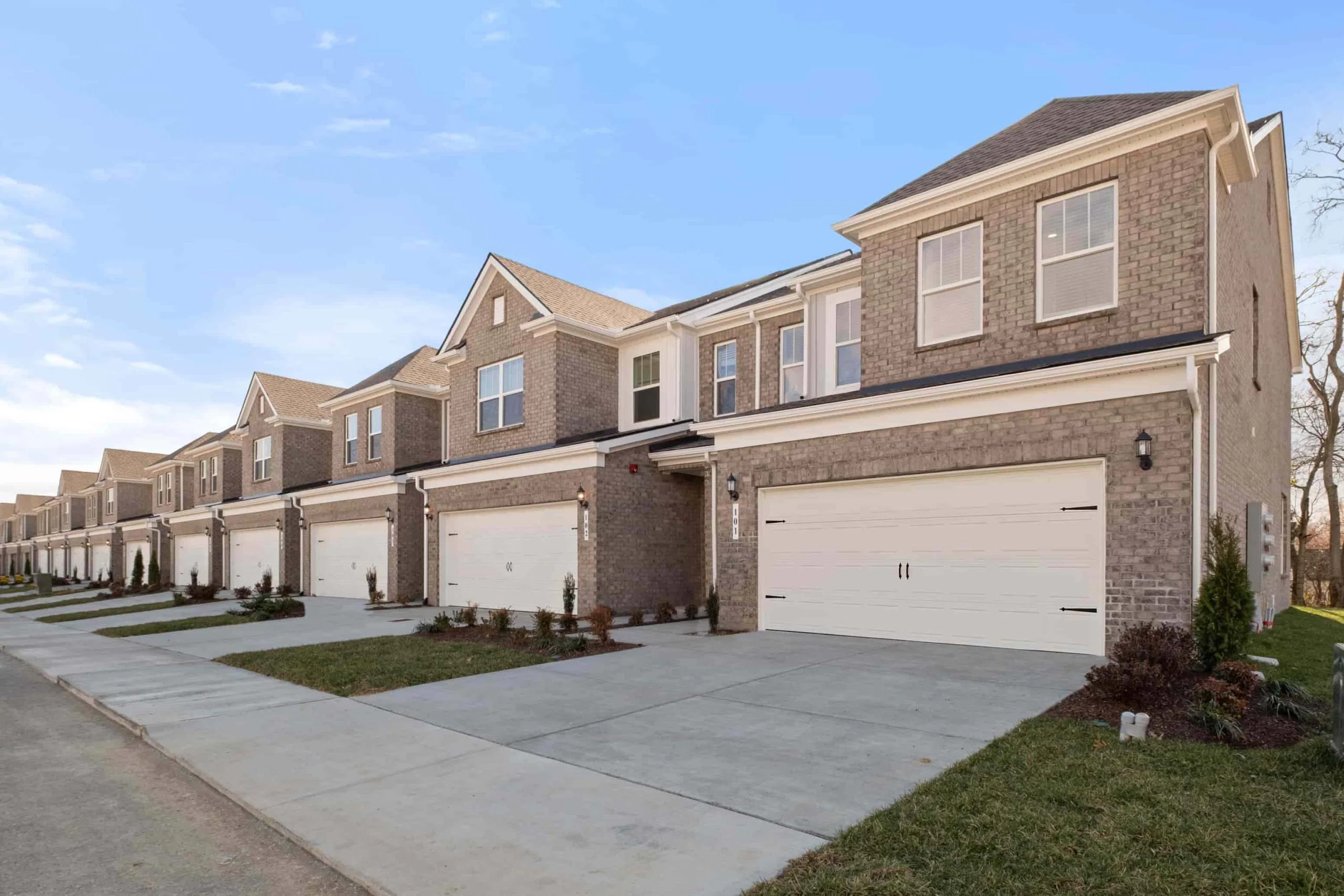
A commercial real estate asset class comprising single-family homes, townhomes, or low-density attached units developed specifically for lease rather than for-sale disposition, integrating single-family amenities with the benefits of consolidated operations and without the financial burden of homeownership.
Newly Built
Modern, low-maintenance homes.
Designed to Rent
Purpose-built communities with private yards and garages.
Professionally Managed
A dedicated team handles leasing, upkeep, and operations.
The Demand Case
A Structural Demand Case
The for-sale market has structurally seized up while a growing pool of high-income families rents single-family homes.
Demand for single-family rentals
A generation of locked-out buyers become renters
Sources: American Community Survey (IPUMS USA), NAR, MBA / New York Fed, JLL. Figures are approximate and for educational illustration.
Where PPR Enters
The BTR Value Curve
The Keystone Housing Growth Fund targets communities at a specific moment — after construction is complete and the certificate of occupancy is imminent, before lease-up begins, and at below-market replacement cost. Explore each phase to see the risks involved and where PPR steps in.
PPR's Entry Point
Entitlement and construction risk are already absorbed.
The fund’s strategy occupies a deliberate middle ground — it avoids the construction-management risk of earlier-stage development and sidesteps the lack of scale and political headwinds of a scattered-site approach, while still targeting the same high-demand living experience.
Illustrative value index (100 = land acquisition). Risk categories are shown for education, are not exhaustive, and are not investment advice.
Explore the Phases of BTR
Lease-Up
Marketing, tenant placement, and occupancy stabilization.
Associated Risks
- Pace of absorption / demand
- Reaching target occupancy and rents
- Operational execution
Where PPR enters
Retained — this is where PPR's operating expertise is applied to stabilize the community and create value.
The Return
Four Components of Return
Total return in real estate isn’t a single number. It’s built from four distinct drivers working at once: appreciation, rental cash flow, loan pay down, and tax efficiency. Each contributes in its own way, and together they compound into what an investor actually earns. Here’s how each one plays out within PPR’s Keystone Housing Growth Fund.
The Full Picture
Four drivers compound into one total return: income, growth, equity, and tax efficiency.

Have Questions About the Keystone Housing Growth Fund?
Talk it through with a PPR representative — no pressure, just answers.
Schedule a CallThe Data
The Numbers Behind Build-to-Rent
Chasing the hottest market isn’t a strategy. Durable returns come from understanding the fundamentals: the demographics pulling demand up and the forces shaping supply. The Keystone Housing Growth Fund is built on that data-driven view.
Our Sources
Demand and supply data from the American Community Survey, NAR, and JLL.
Homeownership is in structural decline
Both measures peaked ~2005 and fell.
Household-level ownership sits at 65%; the individual rate — the share of adults who own — is just 59%. More adults are shut out of ownership than the headline number implies.
What this means for the fund
Fewer households own, and more rent for longer. Keystone builds and holds newly built rental homes for exactly this durable, growing renter base.
Source: Current Population Survey (Apartment List analysis), 1990–2025. Traced from source; figures approximate.
The Webinar
Go Deeper: The Full Briefing
Watch our team walk through the Build-to-Rent thesis and the Keystone Housing Growth Fund in detail — the demand case, where PPR enters, and how returns are earned.
The Free Ebook
What’s Inside The Shelter Effect
- Why residential real estate deserves a place in your portfolio
- The case for alternatives beyond stocks and bonds
- How private real estate earns income, growth, and tax efficiency
- What makes housing resilient through market cycles
- The risks to weigh, and how accredited investors get access

The Fund
Fund Terms at a Glance
A high-level summary of the Keystone Housing Growth Fund. Complete terms, risks, fees, and conditions are set out in the fund’s offering documents, available to accredited investors on request.
Target Fund Metrics
14–16%
Target Investor IRR
1.66–2.0x
Equity Multiple
5–7 yrs
Target Hold
$50k
Investment Minimum
Fund
Keystone Housing Growth Fund
Strategy
Newly built, single-family build-to-rent communities
Investor eligibility
only (Rule 501(a), Regulation D)
Offering type
Reg D, Rule 506(c) private placement
Distributions
Anticipated once all properties are stabilized, at the discretion of the manager. Distributions are not guaranteed.
Management fee
2%
Target IRR, equity multiple, and hold period are forward-looking objectives, not guarantees or projections of actual results, and are not a promise of future performance. Summary terms only, subject to change, and qualified in their entirety by the fund’s offering documents. This is not an offer to sell or a solicitation of an offer to buy any security. Investing involves risk, including possible loss of principal; past performance does not guarantee future results.
The Next Step
Ready to Evaluate the Fund Itself?
Review the confidential materials for the Keystone Housing Growth Fund with our Investor Relations team — the offering documents, financials, and track record.
- Private placement memorandum
- Fund financials and projected returns
- Track record and case studies
Fund materials are intended for .
